“Track Limits” in Formula 1: Why It Remains a Persistent Controversy and How It Could Be Solved
Track limits have become one of the most debated topics in modern Formula 1, particularly in the ground-effect era where precision and consistency matter more than ever. What once seemed like a simple rule—stay within the white lines—has evolved into a recurring source of penalties, confusion, and frustration for drivers, teams, race control, and fans alike. In 2026, the issue remains unresolved, with ongoing discussions about fairness, safety, and technological enforcement shaping the future of the sport.
Why Track Limits Became a Problem in Modern F1
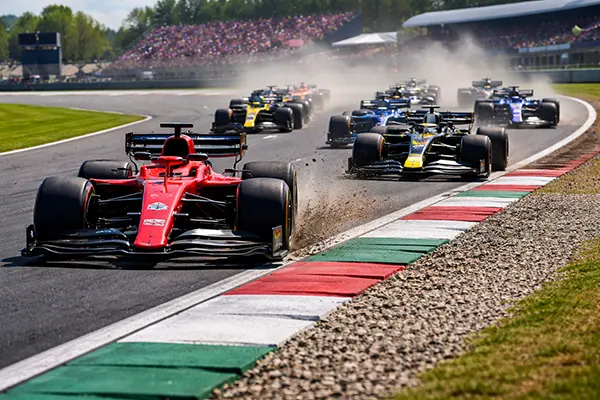
The concept of track limits appears straightforward: drivers must keep at least one wheel within the boundaries marked by white lines. However, the reality is far more complex due to circuit design, car performance, and competitive pressure. Modern Formula 1 cars generate immense downforce, allowing drivers to carry high speeds through corners, often pushing the limits of what is physically possible on track.
Circuits such as Austria, Qatar, and Bahrain have repeatedly exposed the issue, where wide asphalt run-off areas make it tempting—and sometimes advantageous—for drivers to exceed track limits. Unlike gravel traps, these surfaces do not punish mistakes, effectively encouraging drivers to use every available millimetre of space to gain lap time.
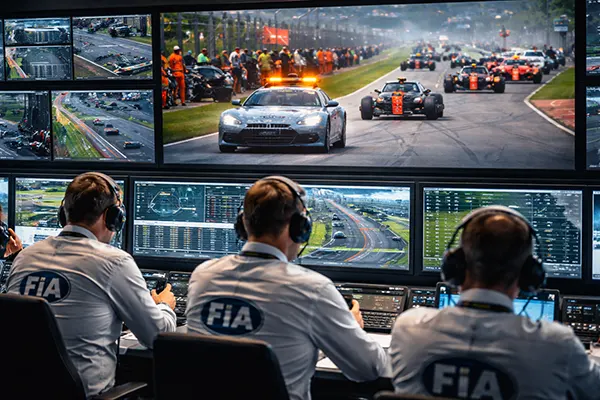
Another contributing factor is the consistency of enforcement. Race control relies on a mix of sensors, cameras, and steward interpretation, but decisions can still appear uneven. Drivers may receive warnings in some corners but penalties in others, leading to confusion and criticism from teams and spectators.
Impact on Racing, Strategy, and Driver Behaviour
Track limits violations directly influence race outcomes. Time penalties, deleted lap times in qualifying, and even post-race adjustments can significantly alter standings. In tightly contested championships, these decisions often become defining moments of the season.
Drivers adapt their behaviour based on enforcement trends. If track limits are strictly monitored, they may adopt a more conservative approach, sacrificing lap time for safety. Conversely, if enforcement appears lenient, drivers push harder, increasing the likelihood of repeated infringements.
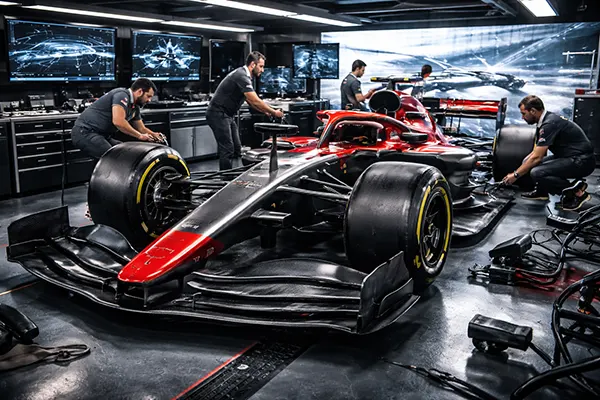
From a strategic standpoint, teams must constantly assess risk versus reward. Engineers monitor lap times and warnings in real time, advising drivers on how aggressively they can approach certain corners. This adds another layer of complexity to race strategy, especially during qualifying sessions where margins are minimal.
Technical and Regulatory Challenges in Enforcement
One of the core difficulties lies in defining a universally fair system of enforcement. Different circuits present unique challenges, meaning a one-size-fits-all solution is difficult to implement. What works at Monaco, with its narrow streets and barriers, does not apply to wide, modern venues with expansive run-off zones.
Technology has improved enforcement, with FIA systems using high-speed cameras and automated detection. However, even advanced systems require human oversight. Situations such as avoiding collisions or being forced off track still require judgement, which introduces subjectivity into decision-making.
Regulatory clarity is another issue. While the FIA provides guidelines, interpretation can vary depending on race directors and steward panels. This lack of consistency has been a recurring criticism, especially during high-profile races where penalties influence championship battles.
Role of Circuit Design in the Track Limits Debate
Circuit design plays a critical role in either preventing or amplifying track limits issues. Older circuits with gravel traps and grass naturally penalise drivers who run wide, reducing the need for constant monitoring. Modern tracks, designed with safety in mind, often prioritise asphalt run-offs, which remove that natural deterrent.
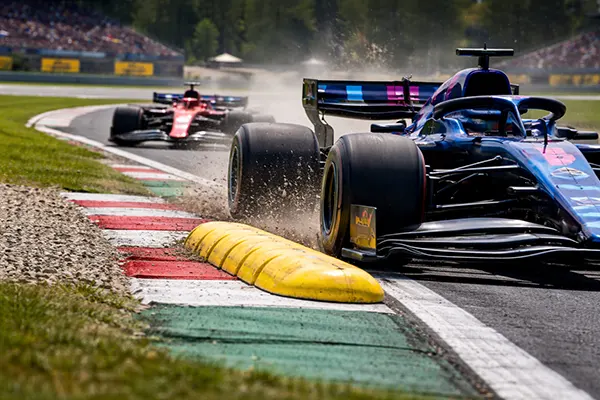
Some circuits have experimented with physical solutions such as raised kerbs or “sausage kerbs” to discourage drivers from exceeding limits. While effective in some cases, these features can introduce safety risks, particularly if cars become unstable at high speeds.
There is growing discussion about reintroducing more natural deterrents, such as gravel traps in selected corners. This approach aims to balance safety with sporting fairness, ensuring that drivers are penalised immediately for exceeding boundaries without relying solely on steward decisions.
Potential Solutions and the Future of Track Limits
Several solutions are currently being explored to address the issue more effectively. One approach involves standardising enforcement technology across all circuits, ensuring consistent detection and automatic penalties. This would reduce reliance on subjective steward decisions and improve transparency.
Another proposed solution is simplifying the rules. Instead of multiple warnings followed by penalties, a clearer system—such as immediate consequences for repeated infringements—could make enforcement easier to understand for both drivers and fans.
There is also increasing interest in adapting circuit layouts. By modifying problematic corners or adding physical deterrents, organisers can reduce the frequency of violations. This proactive approach addresses the root cause rather than relying solely on regulation.
Balancing Fairness, Safety, and Entertainment
Any solution must carefully balance three key factors: fairness, safety, and the quality of racing. Overly strict enforcement risks making races overly cautious, while lenient rules can lead to inconsistent advantages and frustration among competitors.
Safety remains a priority. While gravel traps may help solve track limits issues, they must be implemented without increasing the risk of accidents. The FIA continues to evaluate how different solutions affect driver safety, particularly at high-speed circuits.
Ultimately, the goal is to create a system that feels intuitive and consistent. Fans should understand decisions without lengthy explanations, and drivers should compete under clear rules. As Formula 1 evolves, track limits will remain a key area where regulation, technology, and circuit design intersect.