Driver Biometrics: How Heart Rate and Body Temperature Help Analyse a Race
Modern motorsport teams rely on far more than lap times, tyre data and fuel calculations. Driver biometrics have become an important source of information that helps engineers understand how the human body reacts to the extreme physical and mental demands of racing. Measurements such as heart rate, body temperature, hydration status and physiological stress provide valuable insights that can influence strategy, safety measures and driver performance. As of 2026, biometric monitoring is widely used across professional racing categories, including Formula 1, Formula E, endurance racing and various junior championships.
Why Biometric Data Matters in Modern Motorsport
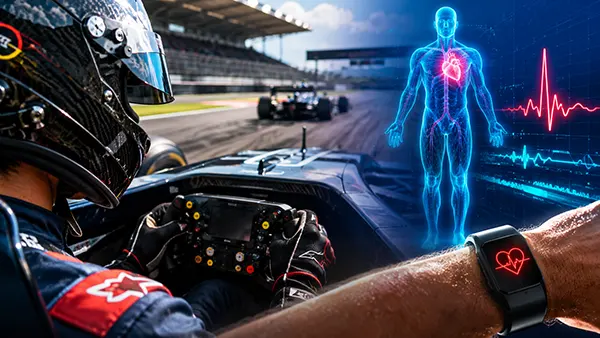
Every racing driver experiences significant physical strain during competition. High cornering forces, elevated cockpit temperatures and constant concentration place enormous demands on the cardiovascular system. By monitoring heart rate in real time, teams can assess how intensely a driver is working during different phases of a race.
Heart rate data often reveals patterns that are not visible through traditional telemetry. A sudden increase may indicate rising stress levels during overtaking attempts, safety car restarts or adverse weather conditions. Engineers can compare these reactions with vehicle performance data to gain a deeper understanding of driver behaviour.
Biometric information also supports long-term driver development. By analysing data from multiple races, performance specialists can identify situations that consistently trigger excessive physical or mental strain and create training programmes designed to improve endurance and resilience.
Understanding Heart Rate Variations During a Race
Professional racing drivers can experience heart rates exceeding 170 beats per minute for extended periods. During particularly demanding events, average heart rates often remain comparable to those seen in endurance athletes participating in high-intensity exercise.
Engineers analyse how heart rate changes during qualifying laps, race starts and critical strategic moments. These fluctuations can indicate workload intensity and help determine whether a driver is operating within an efficient physiological range.
When heart rate data is combined with steering inputs, braking pressure and throttle application, teams can build a comprehensive picture of how physical effort affects driving performance throughout an event.
The Role of Body Temperature Monitoring
Body temperature is another key biometric indicator. Cockpit environments can become extremely hot, especially during summer races and endurance events. Elevated temperatures increase fatigue, reduce concentration and accelerate fluid loss.
Modern wearable sensors allow teams to monitor core temperature trends throughout a race. While exact measurements depend on the technology used, temperature monitoring helps medical staff and performance engineers identify signs of heat stress before they become a serious concern.
Temperature data is particularly valuable in championships where drivers spend long periods inside enclosed cockpits. Endurance racing events lasting several hours place continuous thermal stress on competitors, making effective monitoring increasingly important.
Heat Management and Driver Performance
Research conducted across multiple motorsport disciplines has shown that excessive body temperature can negatively affect reaction times and decision-making. Even small declines in cognitive performance may have significant consequences at racing speeds.
Teams use biometric feedback to refine cooling systems, hydration strategies and pre-race preparation routines. Some drivers follow highly individualised cooling protocols before entering the car to minimise physiological stress during competition.
Data collected during races can also guide future vehicle development. Manufacturers continue exploring improved ventilation solutions, advanced driver cooling technologies and more efficient cockpit designs to support performance under extreme conditions.
How Teams Use Biometric Analysis in 2026
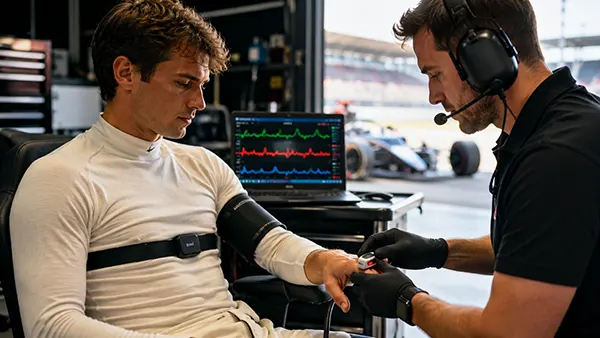
Advances in sensor technology and data analytics have expanded the role of biometrics within professional motorsport. Modern systems can process large volumes of physiological information and compare it with telemetry, environmental conditions and historical performance records.
Artificial intelligence tools are increasingly used to identify patterns that might otherwise go unnoticed. Teams can detect early indicators of fatigue, evaluate recovery rates and estimate how physical stress influences driving consistency over long race distances.
Although privacy regulations remain important, many drivers and teams recognise the competitive advantages offered by biometric analysis. The information helps create more personalised training plans and supports evidence-based performance management.
The Future of Driver Biometric Technology
Future developments are expected to focus on more accurate wearable devices, enhanced real-time analysis and better integration with vehicle systems. Sensors are becoming lighter, less intrusive and capable of collecting a wider range of physiological metrics.
Motorsport organisations are also exploring how biometric monitoring can improve safety. Early detection of abnormal physiological responses may help medical teams respond more quickly during emergencies or periods of extreme environmental stress.
As racing technology continues to evolve, driver biometrics will remain a valuable component of performance analysis. Heart rate and body temperature data already provide meaningful insights into the relationship between human physiology and competitive success, and their importance is likely to grow further throughout the coming years.