Why the WEC Changed Its 2026 Calendar: Barcelona and Monza
The 2026 FIA World Endurance Championship (WEC) finished in Europe rather than the Middle East. Organisers replaced planned races in Qatar and Bahrain with six-hour events in Barcelona and Monza after regional security concerns disrupted travel and freight arrangements. The change, announced on 28 July, preserved the eight-round season while introducing a new venue and reviving a familiar Italian circuit.
Why Did WEC Cancel Its Qatar and Bahrain Races?
Qatar’s 1812km race was originally scheduled to open the season in March. It was postponed to 24 October as conditions in the region deteriorated, leaving Imola to host the first championship race on 19 April. Bahrain was still expected to stage the traditional season finale on 7 November.
By late July, the situation remained too uncertain for organisers to guarantee safe, dependable travel. WEC teams move cars, spare parts and specialist equipment between continents, often by sea. Disruption to shipping routes can affect not just one race but preparations for everything that follows.
The FIA and championship organisers consequently cancelled both Gulf rounds for 2026. Their decision was not a permanent withdrawal from either country: officials stressed the importance of their relationships with Qatar and Bahrain. The immediate priority was giving teams enough notice to redirect transport and book accommodation.
How the Revised Dates Kept the Season Intact
Barcelona was assigned the weekend of 16–18 October, with the race on Sunday 18 October. Monza followed on 6–8 November, ending the season on Sunday 8 November. Each hosted a six-hour race, replacing Qatar’s distance-based event and Bahrain’s eight-hour contest.
The opening six rounds stayed unchanged: Imola, Spa-Francorchamps, Le Mans, São Paulo, Austin and Fuji. Keeping eight championship races mattered because manufacturers and drivers still had two opportunities to score points after Japan, rather than seeing their title fights cut short.
Both replacement circuits were practical choices. Barcelona had already welcomed major endurance series, while Monza had previously staged WEC races. Their experience with international meetings reduced the challenges of arranging an event at comparatively short notice.
What Did Barcelona and Monza Bring to the 2026 WEC?
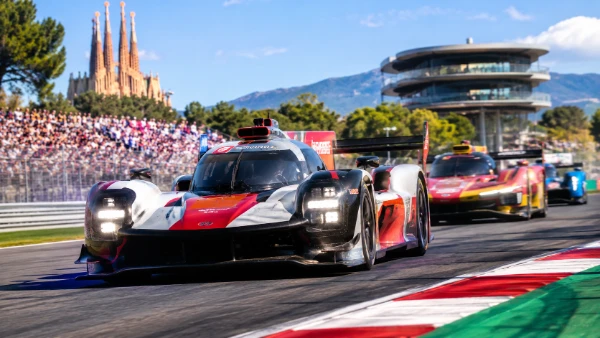
Barcelona hosted its first WEC championship race, although the circuit was already familiar to endurance teams. Its mix of fast corners, a lengthy straight and slower turns tests tyre care as well as speed. Over six hours, maintaining a steady pace can matter more than a single spectacular lap.
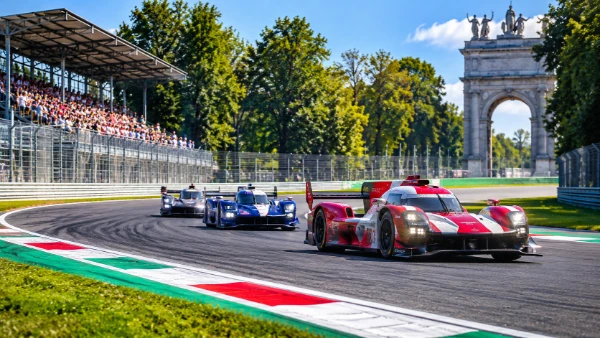
Monza offered a different contest. The historic circuit near Milan is known for high-speed straights and heavy braking into chicanes. It had hosted WEC between 2021 and 2023, so its return restored a well-known setting for the season’s decisive weekend.
Moving the finale also changed the experience for supporters. Spanish fans gained a world championship endurance race on home soil, while Italian spectators saw the Hypercar and LMGT3 fields return to Monza. The switch gave two established European motorsport centres prominent dates in autumn.
What the Changes Meant for the Championship
For drivers, the last two races required a different approach from the planned Gulf events. Barcelona demanded patience through its varied corners; Monza rewarded clean braking and speed along the straights. Teams had to adapt their race strategies without losing sight of the points available.
The European finish also meant less uncertainty about moving people and equipment to the final rounds. It did not remove the financial and organisational impact of replacing two events mid-season, but it offered a workable solution that protected the championship calendar.
Ultimately, the 2026 revision was a response to real-world transport and security concerns, not an attempt to redesign WEC’s identity. Barcelona added a new chapter to the series, Monza brought back a historic circuit, and the championship completed its planned eight races.